Berwick Street narrow access removals solutions
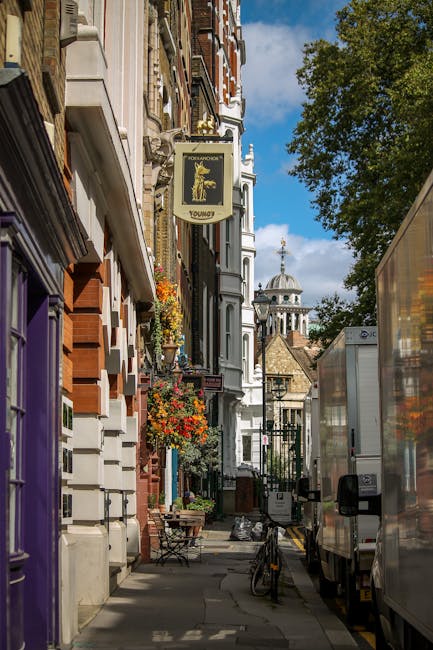
Moving on or near Berwick Street is rarely a simple "load the van and go" job. Tight pavements, busy footfall, awkward corners, basement flats, upper floors, and the odd loading restriction can turn an ordinary move into a careful little puzzle. That is exactly why Berwick Street narrow access removals solutions matter: they are the practical, street-smart way to move belongings without unnecessary stress, damage, or delays.
If you are planning a home move, a flat clearance, an office relocation, or even a single bulky item pickup, the challenge is usually not the lifting itself. It is the access. Can a vehicle stop safely? Can the sofa make the turn? Is there space to manoeuvre a trolley? Do you need extra hands, packing support, or a smaller vehicle instead of a large truck? In areas like Soho, those questions matter a lot.
This guide walks through the full approach in plain English. You will find how narrow access removals work, what makes them different, what to avoid, and how to plan a move that feels calm rather than chaotic. A bit of planning goes a long way. Honestly, more than most people expect.
Why Berwick Street narrow access removals solutions Matters
Berwick Street sits in a part of London where access is often the whole story. The street environment can be lively, compact, and unforgiving for anything large or awkward. If you are moving through narrow access, the risk is not just inconvenience. It can affect time, cost, safety, and the condition of your belongings.
Here is the practical reality: a standard removal plan often assumes open approach routes, generous kerb space, and straightforward loading. Narrow-access jobs break those assumptions. A wardrobe may fit in the vehicle but not around the stairwell. A fridge might pass the front door but get stuck on a sharp landing. A parking space might be "near enough" on paper and useless in real life.
That is why the right approach needs to be tailored. Berwick Street narrow access removals solutions focus on fit-for-purpose vehicles, route planning, handling techniques, and realistic timing. In other words, the move is designed around the space, not the other way round. Seems obvious, but it is the bit people often skip.
It also matters for neighbour relations and building management. Nobody wants to block a doorway, hold up a loading bay, or leave a lobby in disarray. A tidy, efficient move tends to create fewer complaints and fewer surprises. That is worth something.
How Berwick Street narrow access removals solutions Works
The best narrow access removals process usually starts before moving day. The team assesses the property layout, access points, item sizes, and the likely route from door to vehicle. For some jobs, that might mean a smaller van parked strategically; for others, it may mean a larger vehicle being used as a shuttle base while items are carried in stages.
In practical terms, the work often includes:
- checking stair width, corridor turns, and doorway clearance
- identifying parking or loading options close to the property
- splitting the move into logical stages if access is restricted
- using trolleys, blankets, straps, and protective wrapping where needed
- deploying the right number of movers so lifting stays controlled
The phrase "narrow access" can mean a lot of different things. A basement flat with steep steps is one kind of challenge. A first-floor office above a busy street is another. A mews-style property with limited stopping space is another again. The solution changes with the building, which is why a one-size-fits-all quote can be a bit of a trap.
For households, a good starting point is often a tailored home move service or a more flexible man and van arrangement. For businesses, it may make more sense to look at commercial moves or dedicated office relocation services if desks, IT kit, and documents need extra care.
Key Benefits and Practical Advantages
When narrow access is planned properly, the difference is noticeable almost immediately. The move feels calmer. People are not improvising at the kerb. Lifts, stairwells, and door frames stop feeling like obstacles and start feeling like part of the route.
Some of the biggest advantages are straightforward:
- Less damage risk: smaller vehicles, better protection, and careful handling reduce the chance of scuffed walls or broken items.
- Better time control: a move designed around access is less likely to stall halfway through.
- More realistic planning: you know where the tricky points are before anyone starts lifting.
- Lower stress: fewer surprises means a smoother day for everyone involved.
- More suitable staffing: the right number of movers makes awkward jobs easier and safer.
There is also a financial angle, though it should be handled sensibly. Better planning can help avoid wasted time, repeat trips, or accidental damage. That does not mean every narrow-access move is cheap. It means the price should reflect the real job, not an optimistic guess. Big difference.
Expert summary: The best narrow access move is not the one with the biggest vehicle or the flashiest kit. It is the one that matches the street, the building, and the items with the least friction possible.
Who This Is For and When It Makes Sense
Berwick Street narrow access removals solutions are useful for more people than you might think. They are not just for tiny flats or exceptionally difficult buildings. They are for any move where access could become the limiting factor.
This usually includes:
- flat moves on upper floors with narrow stairs or tight landings
- students or renters moving furniture in and out of compact properties
- small business owners relocating stock or equipment from Soho premises
- office managers coordinating a move with desks, monitors, and archive boxes
- people collecting or delivering bulky items in a street with restricted stopping room
It also makes sense when the item list is modest but the access is awkward. A single sofa can be harder to move than a whole room of boxed belongings if the route is tight enough. Truth be told, that happens more often than most people expect.
If you only need one or two items moved, a flexible man with van option can be a neat fit. If you are moving furniture only, a service such as furniture pick up may be more practical than booking a full-scale house move. For larger or more structured jobs, a dedicated removal truck hire or moving truck can be the better choice.
Step-by-Step Guidance
A narrow-access move goes much better when you treat it like a sequence rather than a single event. Here is the practical way to handle it.
- Map the access. Measure doorways, hallways, stairs, and any awkward turns. Check whether the route from room to street is actually usable with larger items.
- List the bulky pieces first. Sofas, wardrobes, beds, desks, and white goods usually drive the plan. Boxes come after that.
- Check stopping and loading options. Even a short walk from van to door can change the job significantly. Time adds up fast on a busy street.
- Choose the right moving format. A small vehicle and a few experienced hands may outperform a bigger truck if the street is tight.
- Protect the route and the items. Use blankets, corner protection, wraps, and floor protection where needed.
- Pack in the right order. Keep heavy items stable, fragile items separate, and essentials easy to reach.
- Build in a little contingency time. Narrow access jobs can be slower. That is normal, not a failure.
One practical tip: take photos of the access points before the move. Doorways, stairs, street frontage, and any loading area are useful. They help the mover judge what is likely to work. And if something looks tight in a photo, it is usually tighter in person. Funny how that works.
If the move includes packing pressure as well, a structured packing and unpacking service can save a surprising amount of time. It also helps reduce the classic last-minute scramble where someone is still taping a box while the van is already outside. We have all seen that sort of scene.
Expert Tips for Better Results
In our experience, the moves that go best are the ones where people accept the constraints early and work with them. Narrow access is not something to "power through." It is something to plan around.
A few field-tested tips:
- Use smaller loads where practical. Two careful trips can be better than one overfilled, stressful trip.
- Disassemble what you can. Bed frames, table legs, and some wardrobes move more safely when broken down first.
- Reserve the best parking option available. Even a slightly better position can reduce carrying distance and fatigue.
- Keep the first load simple. Starting with the bulkiest or most awkward items helps reveal problems early.
- Protect walls and corners at the tightest points. That little bit of prep can prevent expensive little scuffs.
Another useful habit is to brief everyone who is involved. If one person knows the route and another does not, people end up improvising mid-move. That is when boxes get parked in the wrong place, doors get left open, and everyone starts talking over each other. Not ideal.
If you are moving a business, make sure IT equipment, sensitive files, and labelled boxes are separated clearly. A tight stairwell is not the place for vague box labels. You want clarity, not detective work.
Common Mistakes to Avoid
Most narrow-access problems are preventable. The trouble is, they usually show up only after the van arrives and everyone is already committed. That is why these mistakes are worth avoiding early.
- Underestimating item size: a sofa that looks manageable in a lounge can suddenly become a nightmare at a narrow turn.
- Ignoring access photos or measurements: guessing is rarely good enough in Soho-style streets.
- Booking the wrong vehicle size: too large can be just as awkward as too small.
- Leaving packing until the last minute: rushed packing tends to create messy, unstable loads.
- Forgetting building rules or time limits: concierge arrangements, lift bookings, and loading windows matter.
- Not allowing extra time: a tight move can take longer than expected even when everything goes well.
There is also a common psychological mistake: assuming a narrow-access move must be difficult from start to finish. Not necessarily. Plenty of these moves run smoothly once the plan is sensible. The pressure often comes from uncertainty, not the street itself.
Tools, Resources and Recommendations
The right tools make a big difference on a restricted-access job. They do not need to be fancy. They need to be appropriate.
Useful items often include:
- furniture blankets and wraps
- removal straps and lifting aids
- two-wheel dollies or sack trucks
- protective floor runners
- corner guards for tight turns
- sturdy boxes with clear labels
- simple tool kits for dismantling beds and furniture
For bigger moves, a specialist vehicle can matter more than people first realise. If the street is unforgiving, a compact vehicle with good access planning may beat a larger one. On the other hand, if you have several large items and enough space to stage them, a more substantial truck might save time. This is where a sensible conversation with the mover helps.
For company relocations, the support of office relocation services can make the process more organised, especially where desks, printers, and confidential paperwork need sorting in a controlled way. If the move is commercial but relatively modest, a man and van approach can still be a good middle ground.
One more practical note: always keep essentials separate. Keys, chargers, kettle bits, documents, medication, and the one screwdriver you always need at the worst possible moment. That small bag saves a lot of grief.
Law, Compliance, Standards, or Best Practice
For narrow-access removals in London, the main point is not to overstate legal detail. The exact permissions and restrictions depend on the street, the borough, the building, and the circumstances on the day. What matters is working within local parking, loading, and access rules, and checking any building requirements in advance.
In practice, that usually means:
- making sure stopping or loading arrangements are understood before moving day
- following any building management instructions for lifts, access, and damage protection
- ensuring items are lifted and carried safely to reduce injury risk
- using proper manual handling methods rather than "just grabbing it"
- respecting neighbours, shared areas, and pedestrian traffic
For businesses, reasonable care around data, stock, and equipment is also part of good practice. For households, the concern is usually belongings and property protection. In both cases, the safest approach is the tidy one. The one with checks. The one without guesswork.
If you are unsure about the practical side, ask the mover to explain how they would handle access, parking, and item protection. A good operator should be able to talk through the plan clearly, without hand-waving. That should give you confidence, not confusion.
Options, Methods, or Comparison Table
Different narrow-access moves call for different setups. Below is a simple comparison to help you think through the options.
| Method | Best for | Strengths | Watch-outs |
|---|---|---|---|
| Man and van | Smaller home moves, single items, flexible jobs | Agile, often easier on tight streets, practical for short notice | May need multiple trips for larger loads |
| Man with van | Furniture moves, compact flat moves, local pickups | Simple, flexible, cost-conscious | Limited carrying capacity for bigger moves |
| Moving truck | Larger loads where street access is manageable | More space, better for heavier volume | Can be awkward on very narrow roads |
| Removal truck hire | Moves needing a dedicated vehicle and organised loading | Efficient for structured moves | Needs good planning and route access |
| Full home move service | Households wanting a managed experience | More support, less stress, fuller handling | May be more than needed for a very small move |
If you are weighing up options, the real question is not "which is best in general?" It is "which is best for this building, this street, and this load?" That simple shift makes decision-making much easier.
Case Study or Real-World Example
Imagine a small second-floor flat near Berwick Street with a narrow stairwell, one sofa, a bed frame, a dining table, and a stack of boxes. The access looks okay at first glance, but the landing turns sharply and the pavement outside is busy most of the day.
A rushed approach might involve sending a large van, turning up without checking measurements, and trying to lift everything in one flow. That is the sort of move that creates friction very quickly. Door frames get grazed, items pause awkwardly on the stairs, and the team starts improvising.
A better approach is more deliberate. The mover checks the route in advance, disassembles the bed frame, wraps the sofa corners, and uses a smaller vehicle positioned to reduce carry distance. The heaviest item goes first while everyone is fresh. The boxes are stacked separately, labelled clearly, and brought down in an order that makes sense. The move still takes effort, of course. But it feels controlled.
That is the whole point of Berwick Street narrow access removals solutions. Not perfection. Control. Enough structure that the move feels manageable, even when the street itself is a bit of a squeeze.
Practical Checklist
Use this before moving day. It saves time, and a good bit of stress too.
- Confirm exact access points and note any tight turns
- Measure large furniture and compare it with door and stair widths
- Take photos of entrances, stairwells, and loading areas
- Decide whether a smaller vehicle is more suitable than a larger truck
- Check any building rules, lift bookings, or timing restrictions
- Set aside tools for dismantling furniture
- Pack essentials separately and label boxes clearly
- Protect fragile items with proper wrapping
- Allow extra time for carrying and parking
- Keep a contact number ready in case plans need a quick adjustment
Quick takeaway: narrow access jobs become much easier when access, vehicle choice, and item handling are planned together rather than separately.
Conclusion
Berwick Street narrow access removals solutions are really about matching the move to the reality of the street. Tight access does not have to mean a stressful move. It just means you need a better plan, the right vehicle, the right handling approach, and a little patience where it counts.
Whether you are moving a flat, relocating an office, or collecting a bulky item, the smartest path is usually the calmest one. Measure first. Ask questions. Choose the service that fits the access, not just the item count. It is a simple idea, but it saves people a lot of hassle.
If you want a smoother experience, start with a provider that understands the practical side of restricted access and can explain the options clearly. That alone can take a lot of weight off your shoulders, and sometimes that matters as much as the move itself.
Get a free quote today and see how much you can save.
Frequently Asked Questions
What does narrow access removals mean on Berwick Street?
It refers to removals planned for spaces where access is limited by narrow stairs, tight entrances, restricted kerbsides, busy pavements, or awkward building layouts. The move is designed around those constraints.
Do I need a specialist removal service for a narrow street?
Not always, but you do need a service that understands access planning. A smaller, more flexible setup may be enough for some jobs, while others benefit from a fuller removal team.
Is a man and van service suitable for Berwick Street moves?
Yes, often it is. A man and van or man with van option can be especially useful for smaller loads, short local moves, or awkward access where agility matters.
How do I know if my sofa will fit through the stairwell?
Measure the sofa at its widest points and compare that with the narrowest parts of the route, including turns. If you are unsure, ask for an access check before moving day. Photos help, but measurements are better.
Can narrow access removals cost more?
They can, depending on how much extra time, labour, planning, or vehicle flexibility is needed. The key is to get a quote based on the real access conditions rather than a rough guess.
Should I dismantle furniture before the move?
Usually, yes, if the item can be safely taken apart and reassembled. Beds, tables, and some wardrobes often move more easily in sections. That said, keep the fixings in labelled bags or you will regret it later.
What if there is nowhere to park close to the property?
Then the mover may need to adjust the vehicle choice, staging plan, or carrying method. On busy streets, shorter loading distances can make a huge difference, so parking and access planning matters a lot.
Can office relocations also be handled in narrow access areas?
Yes. In fact, offices often need more careful planning because of IT equipment, filing, and time pressure. A structured office relocation service is often the sensible choice.
What items are hardest to move through tight access?
Sofas, wardrobes, mattresses, large desks, fridges, and anything awkwardly shaped are usually the biggest challenge. Heavy, bulky, and fragile at the same time is the worst combination. That is the one nobody enjoys.
How far in advance should I plan a narrow access move?
As early as you can. Even a short local move benefits from advance checks on access, building rules, packing, and vehicle choice. A bit of lead time can prevent last-minute scrambling.
Do I need packing help as well as removals?
If you are short on time or moving fragile items, packing help can be very useful. It often makes a tight move safer and faster because boxes are more secure and the load is easier to manage.
What is the best first step if I am not sure what service I need?
Start with a clear list of items, photos of the access route, and a rough idea of the move date. Then speak to a provider who can match the right vehicle and level of help to your situation. That is usually the simplest way forward.
Where can I learn more about the company before booking?
You can review the service information and company details on the about us page and use the contact page if you want to discuss your move directly.
If your move is shaping up to be a tricky one, do not overthink it. Get the access checked, choose the right support, and let the job breathe a little. The best moves are usually the ones that feel quietly organised from the start.