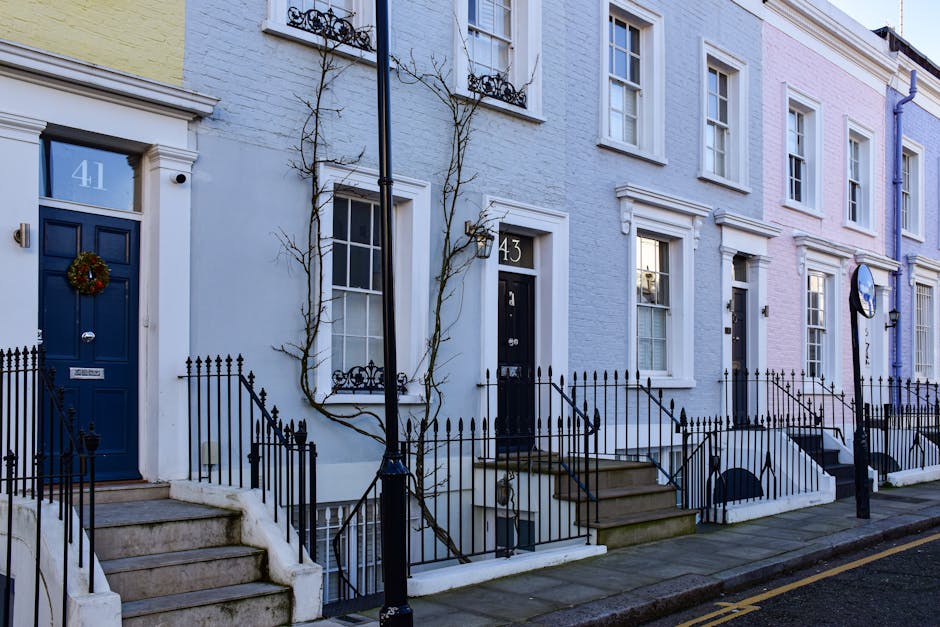
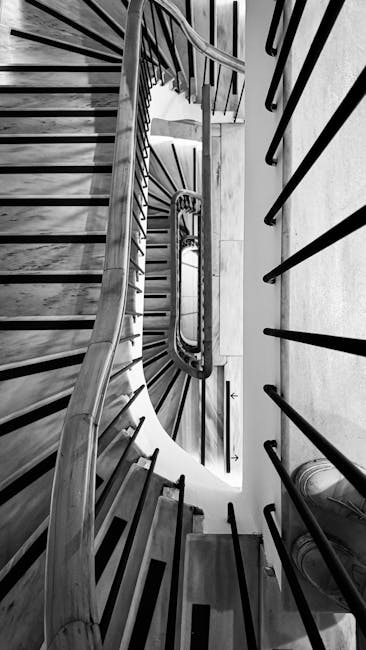
Dealing with Narrow Staircases in Georgian Soho Homes
Georgian Soho homes have a certain charm you can feel the moment you step inside: tall ceilings, elegant proportions, and staircases that look beautiful until you actually have to carry a suitcase, a box of books, or a new sofa up them. Dealing with narrow staircases in Georgian Soho homes is one of those very real, very London problems that mixes design, access, safety, and a bit of patience. If you live or work in one of these properties, or you are trying to use them more efficiently, this guide walks through the practical side of making tight stairs easier to live with without losing the character that makes the building special.
There is no magic fix, to be fair. But there are smart approaches. Some are about better planning, some are about storage choices, and some are about simple habits that reduce strain and risk. The goal is not to "modernise away" the staircase. It is to work with it.
If you need a broader sense of the service context behind space challenges in London properties, you may also find the home page and about us pages useful for understanding how a local provider can support difficult access situations.
Table of Contents
- Why Dealing with Narrow Staircases in Georgian Soho Homes Matters
- How Dealing with Narrow Staircases in Georgian Soho Homes Works
- Key Benefits and Practical Advantages
- Who This Is For and When It Makes Sense
- Step-by-Step Guidance
- Expert Tips for Better Results
- Common Mistakes to Avoid
- Tools, Resources and Recommendations
- Law, Compliance, Standards, or Best Practice
- Options, Methods, or Comparison Table
- Case Study or Real-World Example
- Practical Checklist
- Conclusion
- Frequently Asked Questions
Why Dealing with Narrow Staircases in Georgian Soho Homes Matters
In Georgian Soho homes, staircases are often steep, enclosed, and characterful rather than forgiving. That matters because a staircase is not just a route between floors; it is a pinch point for everyday life. Moving furniture, taking laundry up and down, carrying shopping, bringing in deliveries, or simply walking downstairs in socks on a dark January evening all become more awkward when the stairs are tight.
For households, the issue is usually convenience and safety. For landlords, managing agents, or small businesses in converted townhouses, it can also affect how usable the space feels. Let's face it: a beautiful upper floor is only useful if people can reach it without contorting themselves like a stage actor in a farce.
There is also a preservation angle. Georgian properties in Soho often have original features that should be respected. A poor intervention can make access worse, spoil proportions, or create a clash with the building's historic fabric. The aim is careful adaptation, not clumsy alteration.
A well-considered approach can reduce accidents, limit damage to walls and bannisters, and make moving items in and out less stressful. That becomes especially important in dense central London buildings where space is limited and shared circulation areas may already be under pressure.
How Dealing with Narrow Staircases in Georgian Soho Homes Works
Dealing with a narrow staircase is less about one dramatic solution and more about a sequence of small, practical decisions. First, you assess the staircase itself: width, turning points, head height, tread depth, rail position, landing space, lighting, and whether the stairwell bends sharply or narrows at the top. Those details decide what is realistic.
Then you decide what the staircase needs to do. Is it mainly for daily foot traffic? Must it handle furniture moves? Is it part of a rental property where turnover is frequent? Is access difficult because of the stairs alone, or because hallways, doors, and rooms are also tight? The answer changes the strategy.
In most Georgian Soho homes, the best results come from combining access management with smarter storage and better handling habits. For example, you may not be able to widen the stairwell, but you can reduce the number of items that need to travel up it, choose furniture that breaks down more easily, and keep circulation free of clutter. Simple, but effective.
Where storage is part of the solution, off-site or nearby storage can reduce the number of bulky items circulating through the house. If that sounds relevant, contact the team to discuss practical options for awkward access and limited space.
What usually makes Georgian Soho staircases difficult?
- Steeper pitch than many modern staircases
- Limited width for passing large items
- Tight turns on landings
- Low or awkward headroom in older layouts
- Worn steps or uneven surfaces
- Darkness in stairwells, especially at night
- Decorative features that restrict movement, such as heavy bannisters or narrow newels
The point is not to treat every narrow staircase like a problem to be "fixed" in one go. Usually, it is better to make the route safer, lighter, and less burdened. Once you do that, the house starts to feel easier immediately.
Key Benefits and Practical Advantages
When a Georgian Soho staircase is dealt with well, the benefits show up in everyday life, not just on moving day.
- Less strain on the household: You stop dreading deliveries and laundry runs.
- Lower risk of knocks and scrapes: Walls, paintwork, corners, and bannisters stay in better shape.
- Better use of space: Items that do not need to be on-site can be stored elsewhere.
- Improved safety: Clearer access means fewer trips, slips, and awkward manoeuvres.
- More confidence during moves or refurbishments: Tradespeople and removal teams can work more efficiently.
- Preservation of character: Good planning avoids crude alterations that fight the building.
There is another subtle benefit too: peace of mind. If you know how a difficult staircase is going to be handled, the whole home feels calmer. That sounds a bit soft, maybe, but it matters. A space that constantly creates friction gets tiring quickly.
Expert summary: With narrow Georgian staircases, the best outcome is usually not a structural overhaul. It is a careful mix of access planning, storage discipline, safer handling, and respect for the building's original layout.
Who This Is For and When It Makes Sense
This topic is relevant to a few different groups, and each one has slightly different priorities.
Homeowners
If you live in a Soho townhouse or flat conversion, you will care most about daily convenience, safety, and making the home feel less cramped. You may also want to protect finishes and furnishings from repeated bumps and scrapes.
Landlords and managing agents
In rental properties, narrow stairs can influence tenant satisfaction, move-in and move-out logistics, and maintenance planning. The staircase may never be "easy," but it can be made much more manageable.
Small businesses in converted Georgian buildings
Studios, offices, and boutique spaces often have the same access challenge, only with more foot traffic and more deliveries. The right approach can reduce disruption and make operations smoother.
Anyone planning a move or refurbishment
If you are about to bring large items into a Georgian Soho property, this should be on the checklist early. Waiting until the removal van is outside is not a great plan. Truth be told, that is when people discover the really awkward corner at the top of the stairs.
If you are still weighing up what kind of support makes sense, the service information on the main site and the organisation's background can help you understand the local approach and whether it fits your situation.
Step-by-Step Guidance
Here is a practical way to deal with a narrow staircase in a Georgian Soho home without overcomplicating things.
- Measure the route properly. Not just the stair width. Include landings, turn radii, door widths, ceiling height, and any awkward pinch points.
- Identify the heaviest recurring items. Think furniture, boxes, seasonal items, stock, or equipment. If the same few things repeatedly cause trouble, that is where the fix should start.
- Decide what should stay out of the building. This is often the biggest win. If you do not need an item daily, it may not belong on the upper floor.
- Choose compact, modular, or disassemblable items. Sofas with removable arms, beds that split, shelving that comes flat-packed, and lighter storage boxes all help.
- Improve stair safety. Good lighting, a clear tread edge, secure handrails, and non-slip treatment where appropriate can make a real difference.
- Plan moves and deliveries in stages. Large items often need a pause-and-reset approach. Rushing is when the wall gets the bruise, not the furniture.
- Protect the finishes. Use padding, corner guards, and careful route planning so plaster, skirting, and paintwork do not take the damage.
- Review the setup after use. If the same hurdle appears again and again, do not ignore it. Adjust the method, storage, or furniture choice.
A small but important clarification
People sometimes think the answer is "make the stairs bigger." In Georgian homes, that is often unrealistic and sometimes inappropriate. A better question is: how do we make the route function better without fighting the architecture?
Expert Tips for Better Results
These are the sorts of details that tend to separate a tolerable setup from a genuinely workable one.
- Keep the stair run visually calm. Overcrowded walls and stacked items make narrow stairs feel even tighter.
- Use lighter materials where possible. A lighter item is easier to carry, easier to angle, and less likely to damage edges.
- Store by frequency, not by habit. Things used often should be easiest to reach. Seasonal or occasional items can be stored elsewhere.
- Use two-person handling for awkward loads. Even if an item seems "doable" alone, one misstep on a turn can cause a problem fast.
- Check lighting at both ends of the stair. A dim top landing is a classic source of misjudgement.
- Think in terms of route, not room. Many access problems are actually route problems: the object fits the room, but not the corner, landing, or handrail line.
- Keep a few protective aids on hand. A padded blanket, grip gloves, and a basic route check can save a lot of bother.
In our experience, the best local solutions tend to be boring in the nicest possible way. No drama. No heroic lifting. Just clear planning and a space that stops fighting you every day.
Common Mistakes to Avoid
Here are the mistakes that most often turn a manageable staircase into an ongoing nuisance.
1. Measuring only the width
Width matters, yes, but turns and head height matter too. A bulky item may clear the width and still fail at the landing.
2. Keeping too much upstairs
People often store items where they first find space, rather than where access is easiest. That creates future problems. Fast.
3. Ignoring wear and tear
Loose handrails, worn treads, and poor lighting make a narrow staircase much less forgiving. Small defects become bigger problems on steep stairs.
4. Choosing furniture for looks only
Beautiful pieces can be impractical in Georgian Soho homes if they cannot be moved safely or regularly.
5. Leaving protection until move day
Padding and route planning should happen before the item is halfway up the staircase. At that point, it is too late to "just be careful," which is what everyone says right before somebody bumps a corner.
6. Assuming every issue needs building work
Sometimes it does not. Often the smarter answer is to reduce what has to travel the stairs and improve how the space is used.
Tools, Resources and Recommendations
You do not need a van full of specialist gear to make a narrow staircase more manageable. A few well-chosen tools, though, can make life easier.
| Tool / Resource | What it helps with | Why it matters |
|---|---|---|
| Measuring tape | Checking stair width, landings, and turning points | Prevents avoidable access mistakes |
| Grip gloves | Handling boxes and awkward items | Improves control on steep or tight steps |
| Protective padding | Shielding walls, bannisters, and furniture | Reduces scrapes and chips |
| Bright portable lighting | Improving visibility on dark stairs | Helps with safe footing and carrying |
| Flat-pack or modular storage | Reducing bulk in transit | More realistic for narrow routes |
| Off-site storage planning | Removing rarely used items from the home | Creates breathing room in tight buildings |
When storage support is part of the solution, it helps to read the practical details carefully and check the terms before committing. If that is relevant to your next step, the terms and conditions and privacy policy are worth reviewing so you know what to expect.
Law, Compliance, Standards, or Best Practice
Georgian Soho homes are often older buildings, so the compliance picture can be a bit layered. The exact requirements depend on whether the building is residential, rented, shared, altered, or part of a managed property. Rather than assume one rule fits all, it is better to work from best practice and obtain advice where needed.
In practical terms, the main concerns usually include safe access, fire escape considerations, property maintenance, and avoiding damage to historic fabric. If the staircase forms part of a communal route, there may be additional expectations around keeping it clear and usable. If it is in a rental property, landlords and agents usually have extra responsibilities around safety and maintenance, though the specifics depend on the property and local arrangements.
For any stair-related alteration, especially in a period property, it is sensible to consider whether the work affects structure, heritage features, or shared access. If you are unsure, get qualified advice before making changes. That is not over-cautious; that is just sensible old-building behaviour.
Best practice usually means:
- maintaining a safe, unobstructed route
- keeping handrails secure and steps in good repair
- using non-damaging protection during moves
- avoiding alterations that harm original features without good reason
- checking whether consent or specialist advice is needed for more invasive work
Because Georgian Soho buildings can be unique, a cautious, case-by-case approach is the right one. If the staircase is part of a wider storage or access problem, speak early rather than after the first failed delivery.
Options, Methods, or Comparison Table
Different properties need different solutions. Here is a simple comparison of common approaches.
| Approach | Best for | Pros | Limitations |
|---|---|---|---|
| Better storage discipline | Homes with too many upstairs items | Low cost, immediate relief | Requires regular upkeep |
| Modular furniture choices | Frequent moves or tight turns | Easier to carry, less damage risk | May limit style or size options |
| Improved stair safety | Older stairwells with wear and low light | Reduces risk, improves confidence | Does not change physical width |
| Off-site or alternative storage | Properties with limited internal space | Frees up the home, reduces stair use | Requires planning and ongoing organisation |
| Structural alteration | Very specific projects with professional support | Can improve access significantly | Often expensive, disruptive, and may need approvals |
For most Georgian Soho homes, the strongest solution is usually not the most dramatic one. It is the one that changes daily life without upsetting the building. That balance is the trick.
Case Study or Real-World Example
Consider a typical Georgian Soho maisonette used by a busy professional couple. The staircase is steep, the first landing is narrow, and the top floor fills up with boxes, suitcases, and a couple of bulky seasonal items. Moving a desk upstairs is a nightmare. The walls are marked. Everyone is annoyed by the end of it.
Instead of trying to force large items through the route every few months, they reworked how the home was used. The least-used items were removed from the stair-heavy part of the property, storage was reorganised so daily items stayed on the most accessible floor, and future furniture purchases were limited to pieces that could be moved in sections. Lighting was improved, the handrail was checked, and the route was kept clear. Nothing glamorous. But the house felt different within days.
The interesting bit was not that the staircase changed. It did not. The behaviour around it changed. And that, more often than not, is where the real win sits.
Practical Checklist
Use this checklist before you move furniture, reorganise storage, or decide whether you need extra support.
- Measure the staircase width, landings, and turns
- Check whether any items regularly struggle on the route
- Identify what can be stored elsewhere
- Review handrails, tread condition, and lighting
- Choose modular or lighter items where possible
- Plan protection for walls, bannisters, and corners
- Keep the stairwell clear of clutter
- Confirm whether any building, lease, or heritage considerations apply
- Use two-person handling for awkward loads
- Review the setup after the first delivery or move
Quick takeaway: if the staircase is the bottleneck, reduce the pressure on it first. That usually solves more than people expect.
Conclusion
Dealing with narrow staircases in Georgian Soho homes is really about making an old, elegant space work better for modern life. The best results come from practical planning, honest measurement, better storage choices, and a bit of respect for the building's original form. You do not need to turn a Georgian staircase into a modern one. You just need it to stop getting in the way of everyday life.
For many people, the answer is a combination of safety improvements, smarter furniture decisions, and reducing what has to move through the stairs in the first place. That approach keeps the character, lowers the stress, and makes the home feel easier to live in. Small changes, yes. But they add up.
Get a free quote today and see how much you can save.
If you want to learn more about the company behind these local storage and access considerations, you can also review the about us page or use the contact us page for the next sensible step. Sometimes the simplest conversation is the one that gets the whole thing unstuck.
Frequently Asked Questions
How do you carry furniture up a narrow Georgian staircase safely?
Measure first, protect the route, and use two people for awkward items. Break down furniture where possible, move slowly, and avoid forcing anything around a tight corner. If an item seems nearly impossible, that is usually a sign to rethink the plan rather than push harder.
What should I do if my staircase is too narrow for regular deliveries?
Start by identifying which items truly need to come through the staircase. Often the better answer is changing what you buy, storing less on-site, or using storage for bulky items. For recurring delivery issues, rethink the route and the item sizes before the next order arrives.
Can a narrow staircase in a Georgian home be widened?
Sometimes, but not always, and it is rarely a casual job. Older properties may have structural, heritage, or layout constraints. Any proposal like that needs proper assessment. In many cases, improving usage and storage is the more realistic route.
Is off-site storage a good idea for Soho properties?
Yes, it can be very helpful when the home has limited circulation space and the staircase is a bottleneck. It is especially useful for seasonal items, archive materials, spare stock, or furniture you do not need every week.
How do I protect walls and bannisters during a move?
Use padding on the likely contact points, plan the turning angles in advance, and keep the route clear. It sounds basic because it is basic, but basic is exactly what prevents chips, dents, and grumpy repair bills.
What furniture works best in houses with narrow stairs?
Furniture that can be disassembled, folded, or delivered in sections is usually the easiest to manage. Lightweight pieces and modular designs are also friendlier for steep or tight stairwells. Oversized one-piece items are where the trouble starts.
Are narrow stairs in Georgian properties a safety risk?
They can be if they are poorly lit, cluttered, or in need of repair. Narrow stairs are not automatically unsafe, but they do demand more care. Handrails, tread condition, and good housekeeping make a big difference.
Should landlords do anything differently with these staircases?
Yes. Landlords and agents should think about maintenance, safe access, tenant usability, and move-in/move-out logistics. In practice, keeping routes clear and addressing wear early helps reduce complaints and avoid preventable damage.
What is the best first step if my staircase feels unworkable?
Measure it properly and list the items that cause the most trouble. Most access problems become clearer once the route and the recurring load are written down. Then you can decide whether the fix is storage, furniture changes, safety improvements, or something more involved.
Do I need professional help for every narrow-staircase issue?
No. Many problems can be handled with better planning, smarter storage, and careful handling. But if the stairs are damaged, the building is listed or sensitive, or the access problem affects structure or safety, professional advice is a good idea.
How can I make a Georgian Soho staircase feel less cramped day to day?
Keep it uncluttered, improve lighting, use cleaner storage habits, and remove items that do not need to live in the house. You will notice the difference quickly, especially in a narrow stairwell where every extra object seems to shout a bit.
Where can I find the practical details before getting started?
It helps to read the provider's basic information first, including service background, contact details, and the terms that explain how things work. The relevant pages are the main site, contact page, and terms and conditions. That gives you a clearer picture before you commit to anything.