Westminster Council Permits for Removals: Soho Guide
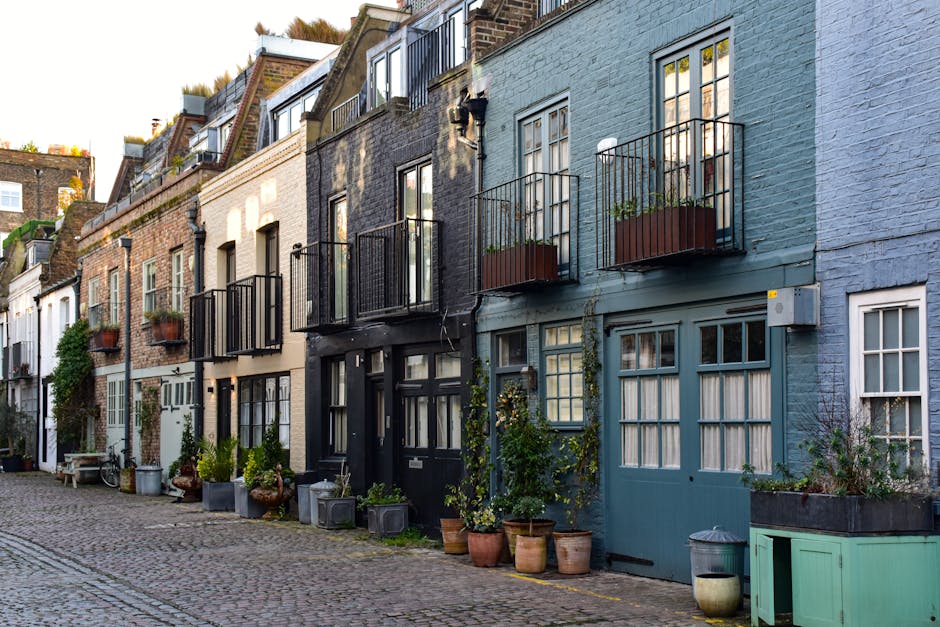
If you are moving in Soho, the permit question can quickly turn a straightforward day into a stressful one. Streets are tight, parking is limited, and loading space disappears fast. That is why understanding Westminster Council permits for removals matters so much. This guide explains what to expect, how the process usually works, where delays creep in, and how to plan a move that stays calm, legal, and far less chaotic than it looks on paper.
Whether you are shifting a flat, moving a small office, or arranging a larger relocation with a van and crew, the basics are similar: check access early, think about parking before the boxes are even taped, and match the vehicle to the street. Small detail? Not really. In Soho, it can be the difference between a clean lift-out and an awkward morning with hazard lights flashing and everyone pretending not to notice.
Table of Contents
- Why Westminster Council Permits for Removals: Soho Guide Matters
- How Westminster Council Permits for Removals: Soho Guide Works
- Key Benefits and Practical Advantages
- Who This Is For and When It Makes Sense
- Step-by-Step Guidance
- Expert Tips for Better Results
- Common Mistakes to Avoid
- Tools, Resources and Recommendations
- Law, Compliance, Standards, or Best Practice
- Options, Methods, or Comparison Table
- Case Study or Real-World Example
- Practical Checklist
- Conclusion
- Frequently Asked Questions
Why Westminster Council Permits for Removals: Soho Guide Matters
Soho is one of those places where the streets look charming until you try to unload a sofa on them. Traffic, delivery vehicles, busier-than-expected pedestrian flow, and very little spare kerb space all add up. A removal vehicle that would be fine in a quieter borough may create problems here if parking and stopping arrangements are not thought through in advance.
Westminster Council permits matter because removal work often relies on temporary access to road space, loading areas, or controlled parking zones. In simple terms, you need a lawful and practical place for the vehicle to stop. Without that, the move can stall, and nobody enjoys paying a crew to stand around while the driver circles the block.
It is also about protecting everyone involved. A planned setup reduces the risk of blocking traffic, upsetting neighbours, or damaging furniture while carrying items farther than you expected. To be fair, a move is stressful enough without improvising parking on the morning. Better to sort the boring bits early and save your energy for the boxes.
For local moves in the West End, this is where choosing the right moving support becomes useful. If you are comparing options for a smaller residential job, a man and van service can be practical. For larger household jobs, many people prefer a more structured option such as house removalists or a full home moves service. The right service still needs the right access plan, though. One does not magically solve the other.
How Westminster Council Permits for Removals: Soho Guide Works
In practice, a removal permit or parking arrangement is about making sure the vehicle can stop where it needs to stop, for the time needed, without causing a breach of parking restrictions. Different streets, zones, and loading restrictions can affect what is allowed. The exact steps may vary, so the safest approach is to check local rules and any on-street limitations well before moving day.
Most removal plans in Soho need a simple chain of decisions: where the vehicle will stop, how long loading should take, what size vehicle can safely fit, and whether access is available for the lift-out. If that sounds basic, it is, but basic is exactly what gets missed when people are busy packing kitchen drawers at 11 p.m.
Here is the reality: a permit arrangement is not just paperwork. It shapes the whole move. A small van may fit where a truck will not. A short-loading window may be enough for a studio, but not for a family flat with stairs, awkward corners, and a book collection that somehow grew overnight. If you are handling a commercial move, the same logic applies, just with more desks and more time pressure. Many businesses pair that planning with commercial moves or office relocation services to keep disruption down.
People often ask whether permits are always needed. The honest answer is: not always, but very often in central London they are either required, strongly recommended, or simply the safest way to avoid a problem. That is why a proper check beats guesswork every time.
Key Benefits and Practical Advantages
When the permit side is handled properly, the whole removal process tends to feel less frantic. You are not trying to dodge restrictions, squeeze a van into a tight gap, or ask the driver to "just wait there for a second" while a taxi inches past. That second becomes ten minutes very quickly.
- Better time control: loading starts sooner, and the crew can work without constant interruptions.
- Less stress: you are not improvising parking in one of London's busiest neighbourhoods.
- Lower risk of fines or warnings: correct arrangements reduce the chance of avoidable parking trouble.
- Safer handling: fewer long carries mean less strain on people and furniture.
- More predictable costs: delays caused by poor access often lead to higher labour time or extra vehicle time.
One of the less obvious benefits is smoother neighbour management. In Soho, streets are shared space, and goodwill matters. When a move looks organised, people tend to be far more patient. When it looks chaotic, even a very small obstruction can feel bigger than it is. You know the sort of morning: someone is trying to get out for work, someone else is carrying a lamp, and a driver is waiting with the engine humming. Not ideal.
For a well-planned residential move, pairing permit awareness with the right support can make a real difference. A fitted vehicle choice such as moving truck hire may suit larger loads, while removal truck hire can be useful when the move volume is substantial and timing is tight. The key is not simply having a vehicle. It is having the right vehicle in the right place at the right time.
Who This Is For and When It Makes Sense
This topic is not just for big relocations. In Soho, permit planning can matter even for relatively small moves because street space is so limited. If any part of your move depends on curbside loading, access for a van, or temporary stopping near a restricted area, it deserves attention.
You will usually benefit from permit planning if you are:
- moving into or out of a flat in Soho or nearby Westminster streets
- relocating a small office, studio, or creative workspace
- booking a van, Luton-style vehicle, or larger removal truck
- arranging collection of bulky furniture or single items
- working around time-sensitive access, lifts, or concierge rules
- moving during busy hours when traffic and loading pressure are higher
For one-off item moves, a simpler approach may be enough. For example, if you are arranging furniture pick up for a single piece or a few items, the access question may be easier than a full household move. Still, even a sofa can become awkward if there is nowhere legal to stop.
Truth be told, people sometimes think, "It's only a short job, do we really need to think this through?" In Soho, short jobs have a habit of turning long when the vehicle has to keep moving. That is the bit worth remembering.
Step-by-Step Guidance
If you want a calmer removal day, follow a structured process. It is not glamorous, but it works.
- Assess the property access. Check the street, building entrance, stairs, lift access, and where the vehicle can reasonably stop.
- Measure the load and choose the right vehicle. A small van is fine for some jobs. Others need more space and a different loading profile.
- Identify restrictions early. Look for controlled parking, loading bays, time limits, resident zones, or narrow access points.
- Plan the move window. Busy periods can make loading slower. A morning slot may be easier than later in the day, depending on the street.
- Confirm whether a permit or specific parking arrangement is needed. Do not assume that stopping briefly is automatically acceptable.
- Coordinate with the removals provider. Share access notes, floor levels, lift details, and any timing constraints.
- Prepare the property. Label boxes, disconnect appliances in advance, and keep the route clear from door to vehicle.
- Build in a buffer. A few extra minutes can save the entire morning when traffic is unpredictable.
A small but useful habit is to stand outside the property the day before and look at the road as if you had never seen it before. Where would a van stop? Where would a pedestrian pass? Where might another vehicle block the space? Five minutes of observation can prevent a lot of muttering the next morning.
If your move involves a mix of packing and transport, using packing and unpacking services can also reduce the time pressure on loading day. That matters more than people think, because the permit window is often the thing you cannot stretch.
Expert Tips for Better Results
There are a few practical habits that make a real difference. They are not flashy, but they are the sort of things experienced movers tend to care about because they save time and hassle.
First, keep your access notes brutally specific. "Parking is tricky" is not enough. Say whether there is a bay opposite, a one-way street, a narrow pavement, or a loading restriction near the entrance. Specifics help plan a sensible setup.
Second, match the vehicle to the street, not just the volume. A bigger truck is not always a better choice in Soho. Sometimes a smaller vehicle with more flexible stopping options is far more efficient. That is especially true where turning space is limited.
Third, think in layers. Permit or parking arrangement, vehicle type, packing state, lift access, and building rules all affect each other. One weak link can slow the whole chain.
Fourth, keep communication simple. People carrying boxes do not want a long explanation. They need a clear answer: where to stop, what time, which entrance, and who is responsible for what. Nice and boring. That is the goal.
Fifth, do not leave permit checks until the final evening. That is the classic mistake. It always feels like there will be time, and then suddenly there is not. Maybe this sounds obvious, but movers have seen enough last-minute panic to know it still needs saying.
If you are arranging a business relocation, a more managed service such as office relocation services can help you coordinate access, transport, and timing as one plan. For larger commercial jobs, commercial moves support can be helpful when continuity matters and you need everything to land neatly.
Common Mistakes to Avoid
The most common issue is simple: people assume the street will sort itself out. In Soho, it usually will not. Here are the mistakes that tend to cause trouble.
- Assuming short stops are harmless: even brief stopping in the wrong place can be a problem.
- Underestimating loading time: stairs, awkward furniture, and lift delays add up quickly.
- Choosing the wrong vehicle size: too large can create access problems; too small can mean multiple trips.
- Ignoring building rules: some properties have very specific move-in or move-out instructions.
- Failing to brief the removal team: if they do not know the street constraints, they cannot plan efficiently.
- Leaving packing incomplete: loose items slow the job and create avoidable handling risk.
There is also a subtle one people miss: not checking how the street feels at the actual time of day. A road that looks manageable at 10 a.m. can feel very different at school run time or during a lunch rush. Westminster and Soho are lively areas; you are rarely the only person trying to use the pavement or road space.
Another mistake is treating insurance and handling standards as an afterthought. The safest move is one where belongings are packed properly, carried sensibly, and transported in the right vehicle. If you are choosing between providers, it is worth paying attention to how clearly they explain the process rather than just how cheap the quote sounds on the day.
Tools, Resources and Recommendations
You do not need a complicated toolkit, but a few practical items help enormously. The list below is basic, which is exactly why it works.
- Box labels and markers: make rooms and priority boxes obvious.
- Measuring tape: useful for checking furniture dimensions against doors, stairs, and vehicle space.
- Floor plan or simple room notes: especially helpful for office moves and multi-room homes.
- Protective wrapping materials: to reduce damage from corner knocks and narrow hallways.
- Phone notes with access details: keep street information, building contacts, and timing in one place.
On the service side, choose support that fits the job rather than the other way around. A flexible man with van option can suit smaller or quicker removals, while a larger setup may be better if your load is bulkier or you need more hands on site. If the move is mostly about transporting a single piece, especially something bulky, a service like furniture pick up may be more efficient than booking a full removal package.
And yes, keep your paperwork tidy. Nobody enjoys the administrative side of moving, but it does prevent that little sinking feeling when a driver asks for access details and everyone starts checking different messages. We have all been there, or close enough.
Law, Compliance, Standards, or Best Practice
For removals in Westminster, the safest approach is to treat parking, stopping, and loading rules as something to be checked carefully rather than assumed. Local parking restrictions can vary by street, time of day, and bay type, so practical compliance starts with reading the situation correctly.
Best practice usually includes the following:
- confirming whether the vehicle can stop legally and safely
- checking if any parking suspension or loading restriction applies
- making sure the loading area does not block access routes or emergency access
- keeping the removal crew briefed on permitted times and building rules
- planning for safe manual handling and clear walkways
From a handling point of view, good removals practice also means reducing risk to people and property. That includes lifting sensibly, using the right vehicle, protecting furniture, and avoiding rushed carries across busy pavements. In a place like Soho, the street environment is busy enough without adding avoidable strain.
If you are unsure whether your job needs a more robust setup, look at the move through a practical lens: how far is the carry, how many items are involved, and how sensitive is your timing? If those answers point to complexity, it is better to plan conservatively than to gamble and hope for the best. Hope is not a parking strategy. Sadly.
Options, Methods, or Comparison Table
Different removal setups work better in different situations. Here is a simple comparison to help you decide what fits your move and your street access.
| Option | Best for | Strengths | Watch-outs |
|---|---|---|---|
| Man and van | Smaller flats, light loads, short local moves | Flexible, often quicker to position, useful in tight streets | May not suit larger loads or full household moves |
| Man with van | Quick pickups, single-room moves, smaller collections | Practical, simple, often efficient for access-sensitive jobs | Less ideal if many bulky items need moving |
| House removalists | Full home relocations | Better for structured loading, larger furniture, coordinated handling | Needs stronger access planning in narrow streets |
| Moving truck | Bulkier loads and larger volume moves | More capacity, fewer trips | Can be harder to position in very tight Soho roads |
| Removal truck hire | Moves needing dedicated transport capacity | Useful for larger jobs and tighter scheduling | Vehicle size and parking arrangements need extra care |
The table is only a guide, of course. Real-world access matters just as much as load size. In Soho, a smaller vehicle that can actually stop where it needs to stop is often better than a larger one that creates delays. That is the sort of trade-off people only appreciate after they have tried doing it the hard way once.
Case Study or Real-World Example
Here is a realistic example. A small design studio in Soho needed to move out of a first-floor space with limited stair access and a tight street outside. The team had a moderate amount of furniture: desks, monitors, boxes of files, and a few awkward chairs that never stack properly. At first, they considered using a larger truck, because it seemed more efficient on paper.
Once the access was reviewed, that plan changed. The street was narrow, and the loading area would have been tight for a bigger vehicle. A more flexible vehicle choice, plus a clear loading window and a detailed packing plan, made the move smoother. The team could unload in stages, the corridor stayed clear, and nobody had to keep shuffling items because the vehicle could not sit where it was supposed to.
The difference was not dramatic in a cinematic sense. There were no trumpets. But the move felt quieter, quicker, and much less irritating. That matters. Especially if you are trying to get back to work on the same day and not spend the afternoon hunting for lost cables.
For many small businesses, the best approach is to combine access planning with a service that fits the scale of the job. If the move involves a worksite, stock, or equipment, a service built around commercial moves can help with coordination. If it is an office environment, a dedicated office relocation services approach may be the cleaner route.
Practical Checklist
Use this checklist before moving day. It is simple, but it catches most of the issues that cause trouble.
- Confirm the exact moving date and time window.
- Check street access and any parking or loading restrictions.
- Decide whether the job needs a smaller van, larger truck, or removal team.
- Measure large furniture and awkward items.
- Tell the removals team about stairs, lifts, and narrow entrances.
- Pack fragile items securely and label them clearly.
- Keep essentials separate for first-night access.
- Make sure the route from property to vehicle is clear.
- Prepare building contacts, keys, and access codes if needed.
- Build a little time buffer for traffic, loading, or queueing outside the property.
Expert summary: the smoother your access plan, the less the rest of the move has to fight against it. That is really the heart of Westminster Council permits for removals in Soho. Get the stopping point right, choose the right vehicle, and make sure everyone knows the plan. The actual move becomes far more manageable, and you can breathe a bit easier once the first load is on the vehicle.
Get a free quote today and see how much you can save.
Conclusion
Westminster Council permits for removals in Soho are less about red tape and more about keeping a difficult move practical. In a neighbourhood with narrow streets, busy traffic, and very little room for error, access planning is one of the smartest things you can do. It reduces stress, helps the crew work efficiently, and keeps the day from drifting into unnecessary delays.
If you remember only one thing, make it this: do not leave parking and stopping arrangements until the last minute. Check the street, match the vehicle, and keep your move plan as simple and specific as possible. That steady approach usually wins, even in a place as lively and compact as Soho.
And once it is all done, when the last box is inside and the street noise starts to fade, the whole thing feels a lot smaller than it did that morning. Relief, mainly. And maybe a tea.
Frequently Asked Questions
Do I always need a permit for removals in Soho?
Not always, but you should never assume you can simply stop anywhere. In Soho, parking and loading restrictions are common, so it is wise to check the exact street conditions before moving day.
How far in advance should I sort out removal parking?
As early as you can. The more complex the street access, the sooner you should plan. A few days may be enough for simple moves, but tighter situations benefit from earlier coordination.
What happens if the removal van cannot park near my building?
The crew may need to carry items further, wait for access, or adapt the loading plan. That can slow the move and increase pressure on everyone involved, so it is better to avoid the issue beforehand.
Is a smaller van better for Soho moves?
Often, yes. Smaller vehicles can be easier to position in narrow streets and may reduce access problems. That said, the right choice depends on the amount of furniture and how much can be loaded in one trip.
Can I use a man and van service for a flat move in Westminster?
Yes, often you can. It tends to work well for smaller moves, short distances, or light loads. If you have a full household or bulky furniture, a larger service may be a better fit.
What is the difference between man and van and house removalists?
A man and van setup is usually more flexible and suited to smaller jobs. House removalists are better for larger, more structured moves where you need more handling support and a fuller moving operation.
Are office moves in Soho more complicated than home moves?
They can be, mainly because timing, equipment, and business disruption matter. You may need more careful access planning, especially if desks, IT, or stock are involved.
Can furniture pick up jobs also need parking checks?
Yes. Even a single sofa or cabinet can need proper stopping space. If the street is busy or tightly restricted, checking access in advance is still worthwhile.
What should I tell the removals team before the move?
Share the street name, access details, floor level, lift availability, parking constraints, and any time limits. The more accurate the information, the easier it is for the team to plan properly.
How do I reduce the risk of delays on moving day?
Pack early, label everything clearly, keep access routes clear, and choose the right vehicle size. The biggest delays usually come from poor planning, not from the move itself.
Is a larger removal truck always the better option?
No. In Soho especially, a larger truck can create its own access problem. It may carry more, but if it cannot stop safely or legally, the extra capacity does not help much.
What is the smartest first step if I am moving in Soho?
Start with access. Before you overthink boxes, furniture, or timings, check where the vehicle can stop and whether the street has any restrictions. That first step shapes everything else.
If you would like a clearer plan for your move, explore the practical support available through home moves, or learn more about the team on the about us page. If you are ready to talk through the details, head to contact us. For service terms and privacy details, you can also review the terms and conditions and privacy policy.